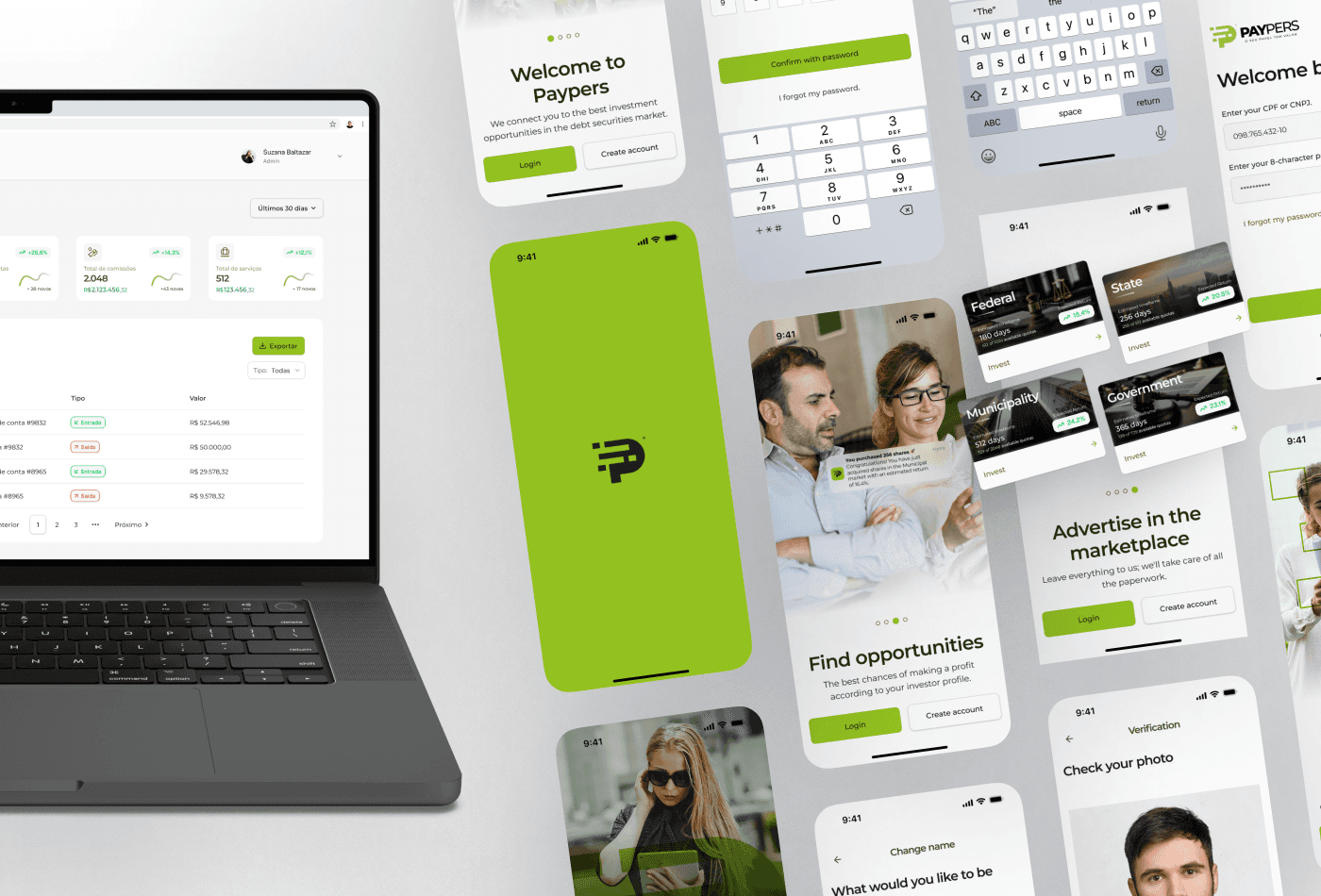
Scalable Design System: Reducing Operational Costs, Retaining Customers, and Integrating Leads into the White Label Fintech Product Portfolio
This case study details the strategic intervention in a redesign project for an already operational white-label fintech product. The central challenge was the lack of scalability of the existing design architecture, which prevented agile customization for new clients, compromising the white-label business model. My role, as a Strategic Designer and Design System Architect, focused on refactoring the Design System (DS) structure to transform it into a multi-tenant solution, using Design Tokens and Variables to ensure customization at scale, cross-platform consistency (App and Internet Banking), and a significant increase in the onboarding speed of new partners.
Year
2025
Service
Ui Ux & Design System
Ambient
App & Web
Tool
Figma & ClickUp
Challenge: Scalability and Technical Debt
The project reached an advanced prototyping phase, with discovery and wireframes already completed. However, the design architecture presented a critical technical debt:
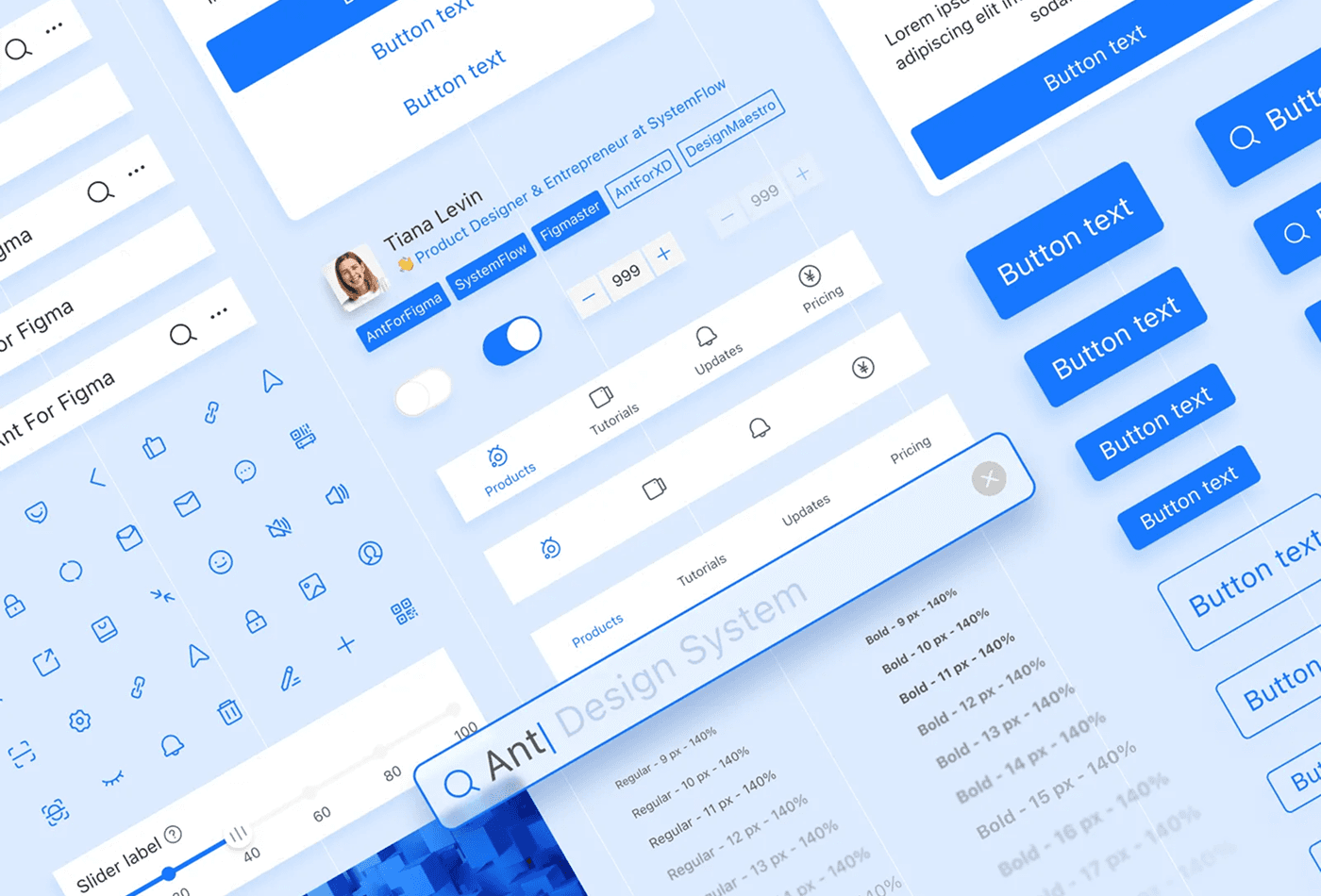
White Label Model Restriction: The product, by its nature, required complete customization of themes and visual identity for each new client. The DS in use (Ant Design 5.18) had not been optimized for this need, making customization a manual and slow process.
Risk of Redesign in a Live Product: The intervention needed to be executed on a product already on the market, requiring a risk analysis and a restructuring strategy that would protect the investment already made by the client (+50k invested in the project with agencies).
Inconsistency and Governance: Low fidelity was identified in the use of DS components in existing layouts, which undermined the promise of standardization and made maintenance difficult.
In summary, each new customer demanded a high level of redo, making onboarding slow and expensive.
Solution: Strategic Refactoring and Multi-Tenant Architecture
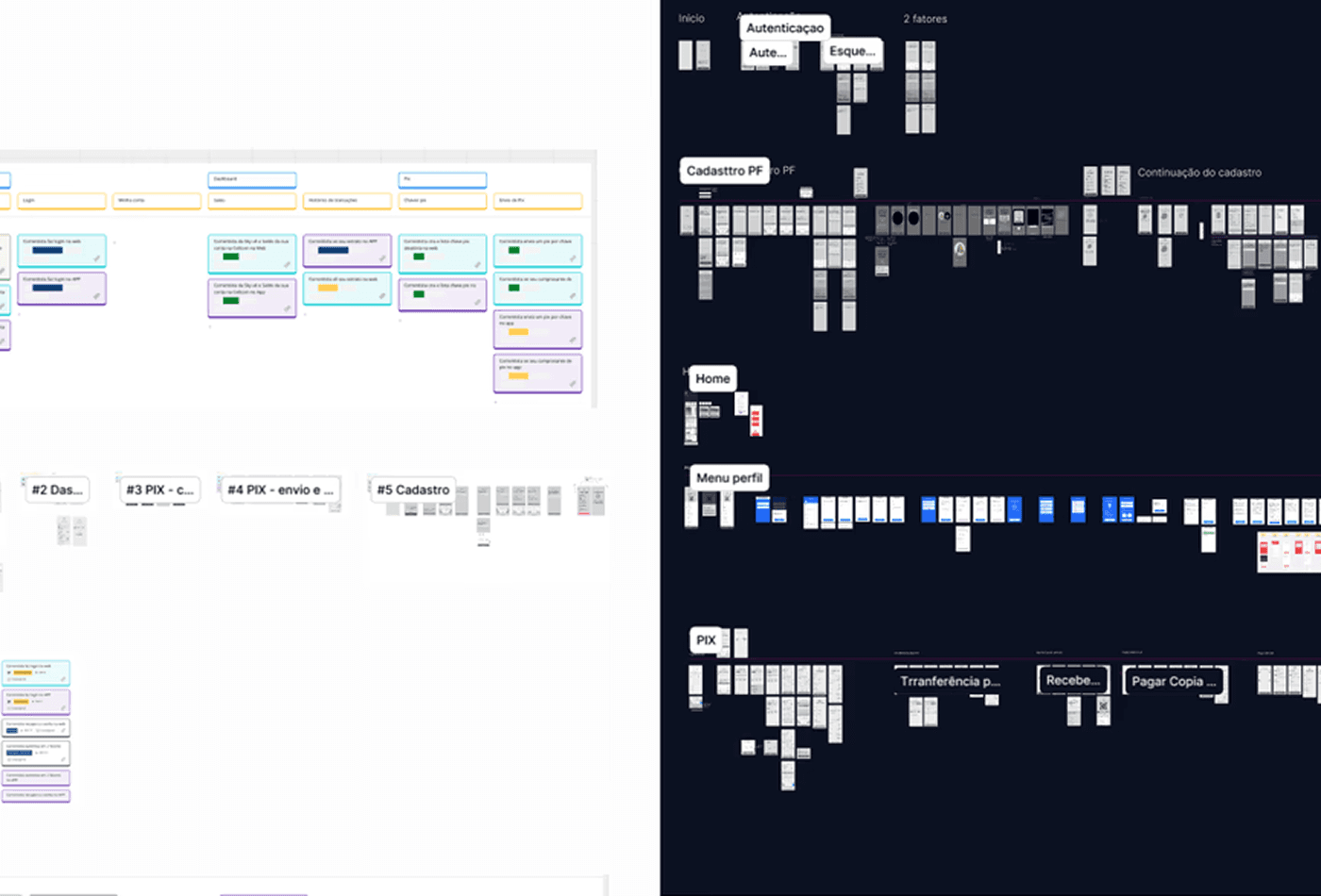
My first step was a Strategic Immersion (due diligence) to map the existing structure and define the leverage point with the least impact.
I chose to preserve existing assets and address only the bottlenecks that prevented the product's scalability, focusing on architecture, governance, and reducing rework, thus also respecting the time and value investment (+50k) already made in the project by the client.
The solution was to refactor the Design System, focusing on the Design System as a Product (DSaaP), ensuring that it served as the scalable foundation for business growth.
Theming Architecture with Design Tokens
The key to white-label scalability was the implementation of a robust theming architecture:
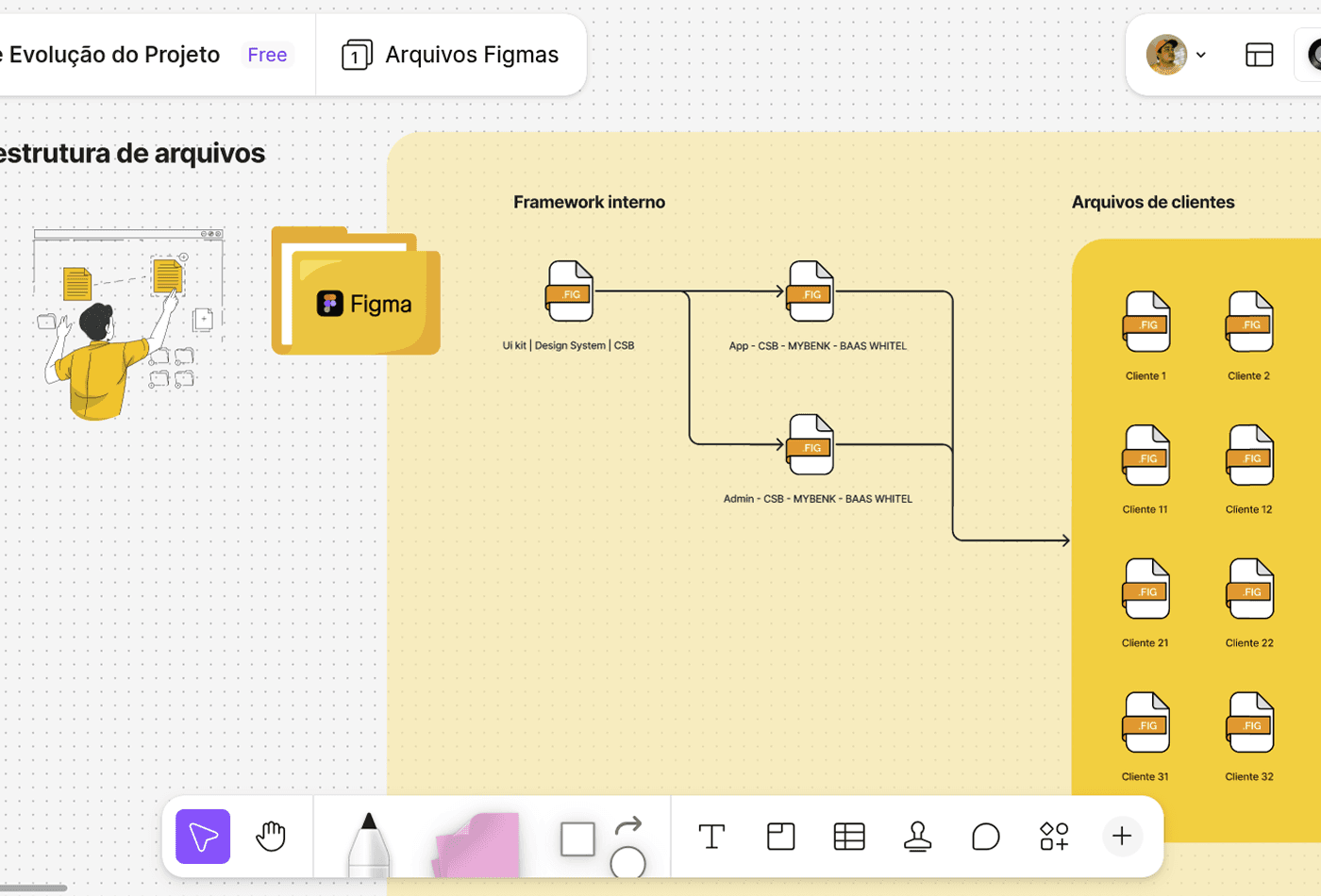
Creation of the Themes Collection: A new collection of variables (Design Tokens) called
Themeswas developed. This collection invoked the existing color variables, respecting the logic of Ant DS, but creating a customization layer for each new product customer.Customization at Scale: This new architecture allowed for the complete replacement of each customer's theme (colors, typography, logos, etc.) with minimal effort (clicks), drastically reducing the Time-to-Market (TTM) for onboarding new partners and the team's on-demand operational costs.
Technical Debt Resolution and Governance
To ensure consistency and performance, it was necessary to resolve the accumulated technical debt:
Component Audit and Refactoring: I conducted a systematic audit, manually modifying each existing component to consume the colors from the new Collection
Themes. This not only corrected the inconsistency but also forced the adoption of the new theming architecture.Cross-Platform Consistency: Adopting the Mobile-First practice, we started layout adjustments with the mobile application, ensuring that the Internet Banking (Desktop) version was a validated and consistent adaptation, optimizing the workflow for cross-platform delivery.

Impact and Business Results (ROI)
The intervention resulted in clear gains in performance, standardization, and delivery speed, transforming the Design System from a technical liability into a strategic asset for the growth of the white-label business. Onboarding became significantly faster, the operational cost per customer fell consistently, and the product began to scale predictably and consistently.
Metric | Description | Result |
|---|---|---|
Scale and Standardization | Design System redesigned and made functional for the multi-tenant model. | 100% alignment with the expansion strategy and product proposition (white label). |
Delivery Volume | Total project scope in 45 days. | Over 200 screens designed and over 20 user flows built. |
Operational Efficiency | Reducing the effort required for customization for new customers. | Optimizing the design workflow, allowing the team to scale partner onboarding with agility. |
Consistency | Complete adaptation of the product for the web version. | Consistent experience guaranteed between the App and Internet Banking. |
Conclusion:
This project demonstrated my ability to act not only in design execution, but also in the strategic architecture of complex products. The refactoring of the Design System was a technical leadership decision that unlocked the product's scalability potential, aligning the design directly with business growth objectives, delivering more than just screens, but a solid foundation for sustainable growth.